
High-efficiency, low-energy-consumption product design
GIGABYTEʼs adoption of innovative materials, technologies, and rigorous management mechanisms at every stage of the product lifecycle has resulted in outstanding performance characterized by high efficiency, stability, and durability. For motherboard products, over the years, R&D has introduced innovative technologies such as power-saving switches, double-layer copper PCBs, current-resistant components, and nano-carbon backplates, significantly enhancing motherboard stability and thermal dissipation. Additionally, for graphics card products, technologies such as Smart Fan 5 and Water Force liquid cooling have been developed to significantly improve performance.
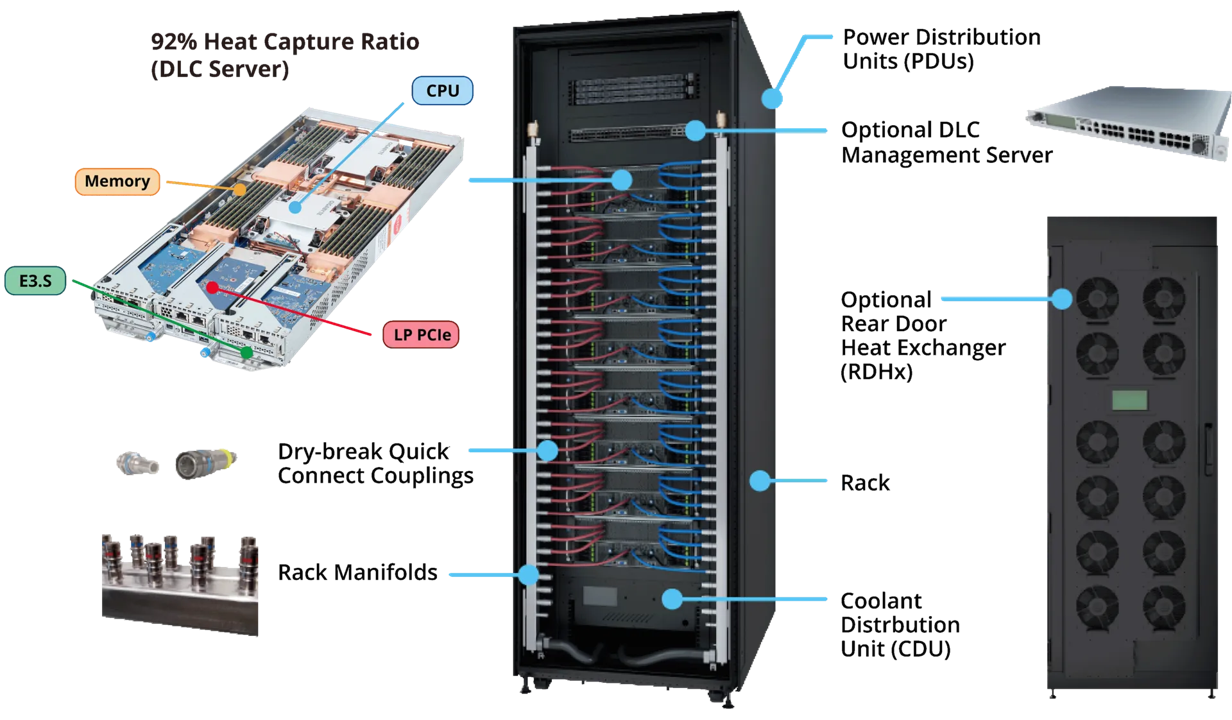
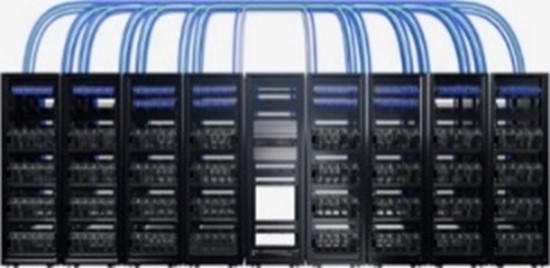
With the widespread adoption of AI high-performance computing, demand for servers is growing rapidly. In recent years, GIGABYTE has continued to strengthen R&D investments in thermal management and energy efficiency across multiple product lines, such as direct liquid cooling, single-phase liquid cooling, and two-phase liquid cooling solutions for data centers. These solutions help data centers optimize computing density and thermal efficiency within limited space, improve Power Usage Effectiveness (PUE), meet diverse workloads, help customers reduce costs, and achieve sustainability goals.
High-Efficiency, Low-Power-Consumption Product Development
Direct liquid-cooled servers can remove over 92% of system heat directly via the coolant, requiring only minimal airflow to handle residual heat, resulting in the following benefits:
Official Website Link:Direct Liquid Cooling Solutions |
 |
Official Website Link:AORUS 800 Series Motherboards |
 |
Official Website Link:Integrated AI Data Center Solutions |
|
Product Energy Efficiency Management Targets
GIGABYTE understands that the “use phase” of a productʼs lifecycle is a hotspot for carbon footprints. To effectively reduce Scope 3 emissions, we continue to invest in R&D resources and regard “maximizing energy efficiency” as a core design principle. Referring to the international Energy Star standard, we have set a management goal for our power supply and server product lines to “achieve or incorporate 80 PLUS Gold certification or better across the entire series. “Through the adoption of high-efficiency power conversion technology, the revenue share of power supplies and servers meeting or exceeding 80 PLUS Gold standards is projected to reach 23.24 % by 2025, helping to improve end-usersʼ energy efficiency. Looking ahead, GIGABYTE will continue to expand its global sustainability certification initiatives, leveraging third-party verification to enhance the brandʼs competitive edge in the green ICT market.
| Product Category | 2025 Targets | 2030 Targets | ||
|---|---|---|---|---|
| Target Description | 2025 Achievement Status | Target Description | Target Progress Rate | |
|
Power Supplies |
Products meeting or exceeding 80+ Gold standards 73% | ✅Achieved Platinum: 13.79% Gold: 68.97% |
Achieved a product count 90% of products | Progress Rate: 91.95% |
| Servers | 73% of servers are equipped with products exceeding 80+ Gold | ✅Achieved Titanium: 45.51% Platinum: 29.34% Gold: 4.79% |
Proportion of products exceeding 80+ Gold reaches 90% | Progress rate: 88.49% |
Note: 80+ is a certification for evaluating the energy efficiency of power supplies. Energy efficiency requirements are divided into seven tiers from lowest to highest: Standard, Bronze, Silver, Gold, Platinum, Titanium, and Ruby.
- Home
- Innovation Management
- Product Energy Efficiency Management
- Product Packaging Management
- Raw Material Management
- The Guanxi Blue Zone
- The Ocean is Our Home
- From the Chairman
- Commitment to CSR
- Stakeholder Engagement
- Material Topics
- SDGs
- Corporate Organization
- Code of Conduct
- Information Security & Privacy
- Risk Management
- Supply Chain Management
- Tetralogy of Supply Chain Engagement
- Conflict Mineral
- Environmental Management Policy
- Brand Strategy and Business Reputation Management
- Climate Strategy and Risk Management
- Customer Relations Management
- Eco-friendly Product
- Hazardous Substance Management
- Biodiversity
- Circular Economy
- Green Action
- Sustainability/Environmental Education
- Green Activities
- Working Holiday
- Corporate Volunteering
- Go Green Taiwan
- Make Earth Green Again
- Tree Map
- Overview/Core Concept
- Rooftop Farm
- Ecology Photo Competition
- Resource Hub
- Diverse and Inclusive Workplace
- Talent Management
- Human Rights Management
- Talent Cultivation and Development
- Occupational Safety
- Health Care
- Upgrade Your Life
- Social Inclusion
- CSR Milestone
- Economic Aspect
- Environmental Aspect
- Social Aspect
- CSR Report